
Recent Posts




How Global Shipping Delays Impact Businesses and How to Stay Prepared
February 9, 2026
Introduction
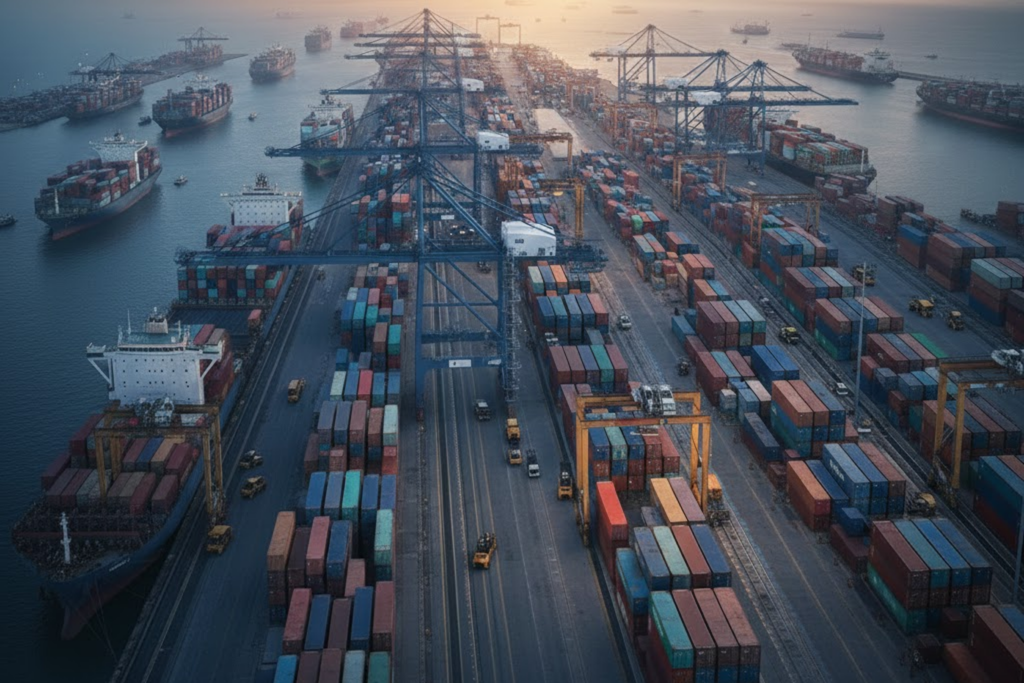
In global trade, time is money. A single delayed container can disrupt production schedules, empty retail shelves, and damage customer relationships. Over the last few years, global shipping delays have become one of the biggest challenges for businesses involved in international trade.
From port congestion and capacity shortages to documentation issues and inland transport bottlenecks, delays are no longer rare exceptions. They are a reality that businesses must plan for. In this blog, we explore how global shipping delays impact businesses and share practical strategies to stay prepared and minimize disruption.
What Are Global Shipping Delays?
Global shipping delays occur when cargo does not move according to planned schedules across international routes. These delays can happen at multiple stages:
At origin ports
During ocean transit
At destination ports
During inland transportation
Even when the delay happens far from the final customer, the business impact can be significant.
Why Global Shipping Delays Are Increasing
Several factors contribute to rising global shipping delays:
Increased global trade volumes
Port congestion and limited terminal capacity
Labor shortages in ports and transport
Weather disruptions
Regulatory and documentation issues
Mismatch between vessel schedules and inland transport
Understanding these causes helps businesses prepare more effectively.
How Global Shipping Delays Impact Businesses
1. Disrupted Supply Chains
When shipments arrive late, production and distribution plans fall apart.
Delays can cause:
Production stoppages due to missing raw materials
Missed sales opportunities
Inventory imbalances
A single delay can ripple across the entire supply chain.
2. Increased Operating Costs
Global shipping delays often bring hidden costs:
Demurrage and detention charges
Additional storage fees
Emergency transport costs
Higher inventory holding costs
These expenses reduce profit margins and complicate budgeting.
3. Customer Dissatisfaction
Customers expect reliability. Late deliveries lead to:
Missed commitments
Loss of trust
Negative brand perception
In competitive markets, customers quickly shift to more reliable suppliers.
4. Inventory Management Challenges
Delayed shipments make inventory planning difficult.
Businesses face:
Overstocking to avoid stockouts
Understocking due to late arrivals
Increased working capital pressure
Inventory uncertainty limits growth.
5. Reduced Business Agility
When shipping becomes unpredictable, businesses struggle to respond to market changes. Launch delays, seasonal misses, and slower market entry become common.
Industries Most Affected by Shipping Delays
While all industries feel the impact, some are more vulnerable:
Retail and consumer goods
Manufacturing and assembly operations
Automotive and spare parts
Food and perishable goods
E-commerce and distribution
For these sectors, even small delays can cause major losses.
How to Stay Prepared for Global Shipping Delays
Shipping delays may not be fully avoidable, but they are manageable with the right strategies.
1. Build Buffer Time into Shipping Plans
Over-optimistic schedules increase risk.
Prepared businesses:
Allow buffer time in delivery commitments
Avoid relying on single critical shipment windows
Plan around known congestion periods
Realistic planning reduces stress and surprises.
2. Strengthen Communication and Visibility
Visibility is critical when delays occur.
Best practices include:
Tracking shipments actively
Maintaining regular communication with shipping partners
Sharing updates internally and with customers
Early information allows faster decisions.
3. Diversify Routes and Transport Options
Relying on a single route or port increases vulnerability.
Prepared businesses:
Use alternate ports when possible
Balance shipping routes
Plan flexible inland transport options
Diversification reduces dependency risk.
4. Improve Documentation Accuracy
Many delays start with paperwork issues.
Businesses should:
Prepare documents well in advance
Verify shipment details carefully
Align documentation with destination requirements
Clean documentation prevents avoidable delays.
5. Use Warehousing as a Buffer
Strategic warehousing helps absorb delays.
Warehouses can:
Hold safety stock near markets
Act as staging points for distribution
Reduce pressure on immediate delivery timelines
Warehousing adds flexibility to supply chains.
6. Partner with Reliable Shipping Experts
Experienced shipping partners help businesses navigate delays more effectively.
Reliable partners:
Monitor global shipping conditions
Anticipate potential disruptions
Offer alternate solutions
Communicate proactively
The right partner makes delays manageable.
Comparison Table: Impact vs Preparedness
| Business Impact | Result Without Preparation | Result With Preparation |
|---|---|---|
| Supply chain flow | Disrupted | Controlled |
| Costs | Unplanned increases | Managed |
| Customer satisfaction | Declines | Maintained |
| Inventory planning | Unstable | Balanced |
| Business confidence | Reduced | Strengthened |
Preparation changes outcomes.
Real-World Shipping Insight
In one international shipment, port congestion caused a two-week delay. The business had no buffer stock and no alternate delivery plan. Orders were missed and customers complained.
In a later shipment, the same business:
Added buffer time
Used a nearby warehouse
Maintained customer communication
The delay still occurred, but the business impact was minimal. Preparation made the difference.
How LTB Shipping Helps Businesses Stay Prepared
LTB Shipping supports businesses by helping them manage and prepare for global shipping delays.
Key strengths include:
Monitoring international shipping conditions
Coordinating with ports and carriers
Supporting documentation accuracy
Planning inland transport in advance
Communicating proactively with clients
By focusing on preparedness, LTB helps businesses reduce the impact of delays.
Best Practices Checklist
To stay prepared for global shipping delays, businesses should:
Plan realistic transit timelines
Maintain shipment visibility
Diversify routes and partners
Strengthen documentation processes
Use warehouses strategically
Review shipping performance regularly
Preparation is an ongoing process.
Why Prepared Businesses Perform Better
Delays are inevitable in global trade. What matters is how businesses respond.
Prepared businesses:
Maintain customer trust
Control costs
Adapt faster
Protect growth plans
Preparedness turns uncertainty into a manageable risk.
Conclusion
Global shipping delays are now a regular part of international trade. While businesses cannot control global conditions, they can control how prepared they are.
By improving planning, visibility, documentation, and partnerships, businesses can reduce the impact of delays and protect their supply chains. With experienced partners like LTB Shipping, global shipping becomes more predictable, resilient, and reliable.
Call to Action
Are global shipping delays affecting your business operations?
If you want to reduce disruption, control costs, and strengthen your international shipping strategy, now is the time to prepare.
Contact LTB Shipping to learn how professional shipping support can help you stay ready for global shipping challenges.