Recent Posts





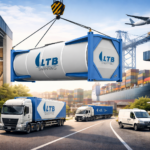
End-to-End Shipping Solutions: How LTB Simplifies Global Cargo Movement
January 5, 2026

Introduction
Shipping cargo internationally is rarely simple. A single shipment may involve multiple ports, customs checks, transport modes, documents, and hand-offs. When even one link in this chain fails, delays and extra costs follow. This is why businesses increasingly rely on end-to-end shipping solutions instead of managing shipping in fragments.
End-to-end shipping means having one coordinated system that manages cargo from origin to final destination. In this blog, we explain what end-to-end shipping solutions are, why they matter in global trade, and how companies like LTB Shipping help businesses move cargo smoothly across borders.
What Are End-to-End Shipping Solutions?
End-to-end shipping solutions cover the complete cargo journey under one coordinated service model. Instead of working with multiple disconnected vendors, businesses rely on one shipping partner to manage every stage.
Typical Scope Includes
Pickup from origin location
Export documentation and customs clearance
Container shipping and ocean freight
Port handling and terminal coordination
Import clearance at destination
Inland transportation and final delivery
This integrated approach reduces complexity and improves accountability.
Why Fragmented Shipping Creates Problems
Many businesses still manage shipping by separating tasks between different vendors. One handles trucking, another handles freight forwarding, and another manages warehousing.
Common Issues with Fragmented Shipping
Lack of visibility across shipment stages
Communication gaps between vendors
Delays at ports due to document mismatch
Higher costs from duplicate handling
Difficulty assigning responsibility when issues occur
End-to-end shipping solutions eliminate these gaps by creating one continuous workflow.
How End-to-End Shipping Simplifies Global Cargo Movement
1. Single Point of Coordination
With one shipping partner managing the entire process, communication becomes clear. Updates, problem-solving, and decision-making are centralized.
This reduces confusion and speeds up issue resolution.
2. Seamless Container Shipping Management
Container shipping involves multiple touchpoints, including ports, terminals, vessels, and inland transport.
End-to-end shipping solutions ensure:
Containers are booked on suitable vessels
Port handling is coordinated in advance
Inland transport is aligned with vessel schedules
Delays are minimized through proactive planning
This level of coordination is difficult to achieve when services are split.
3. Better Cost Control and Predictability
When shipping is managed end-to-end:
Costs are planned upfront
Fewer surprise charges occur
Demurrage and detention risks are reduced
Overall landed cost becomes predictable
Businesses can plan pricing and inventory more accurately.
Key Components of an Effective End-to-End Shipping Model
Origin Handling
This includes cargo pickup, container stuffing, inspection, and export documentation. Proper handling at origin prevents downstream delays.
Ocean Freight and Port Operations
Efficient vessel booking, port coordination, and container tracking ensure cargo stays on schedule during international transit.
Customs and Compliance Support
Customs clearance is one of the biggest causes of delays. End-to-end shipping solutions ensure documents are prepared correctly and submitted on time.
Destination Handling and Delivery
Once cargo arrives, coordinated unloading, inland transport, and final delivery ensure goods reach customers without unnecessary storage or waiting time.
End-to-End Shipping vs Traditional Shipping
| Aspect | Traditional Shipping | End-to-End Shipping Solutions |
|---|---|---|
| Coordination | Multiple vendors | Single partner |
| Visibility | Limited | End-to-end tracking |
| Cost control | Fragmented | Centralized |
| Accountability | Unclear | Clear responsibility |
| Risk management | Reactive | Proactive |
This comparison explains why end-to-end models are preferred for international trade.
How LTB Shipping Supports End-to-End Cargo Movement
LTB Shipping focuses on simplifying international cargo movement by integrating shipping services into one smooth flow.
Key Strengths
Experience in global shipping routes
Strong coordination with ports and carriers
Reliable container handling processes
Focus on timely documentation and compliance
Clear communication with clients
By managing cargo from pickup to delivery, LTB reduces delays and operational stress for businesses.
Real-World Insight from Shipping Operations
In one international shipment, a client experienced repeated delays due to misalignment between trucking schedules and vessel cut-off times.
After shifting to an end-to-end shipping approach:
Trucking schedules were aligned with port timelines
Documentation was prepared in advance
Containers reached the port on time
Cargo arrived at destination without extra storage cost
The biggest improvement was reliability. Once shipping became predictable, inventory planning improved significantly.
Why End-to-End Shipping Matters for Business Growth
Faster Market Access
Companies can enter new markets without building logistics expertise internally.
Lower Operational Risk
With one responsible partner, risks are identified and managed early.
Improved Customer Satisfaction
Reliable delivery improves trust and long-term relationships.
Focus on Core Business
Businesses can concentrate on sales and product development instead of managing logistics problems.
Who Benefits Most from End-to-End Shipping Solutions?
Importers and exporters with growing volumes
Businesses entering new international markets
Companies shipping containerized cargo regularly
Organizations seeking predictable delivery timelines
Firms that want to reduce logistics complexity
For these businesses, end-to-end shipping becomes a strategic advantage.
Choosing the Right End-to-End Shipping Partner
Before selecting a shipping partner, businesses should evaluate:
Experience with international cargo movement
Strength of global network
Transparency in pricing and communication
Ability to manage containers, ports, and customs
Commitment to service reliability
A strong partner acts as an extension of your business.
Conclusion
Global shipping does not have to be complicated. With the right end-to-end shipping solutions, businesses can move cargo smoothly across borders while controlling costs and reducing risk.
By integrating origin handling, container shipping, customs clearance, and final delivery into one coordinated system, companies like LTB Shipping simplify global cargo movement and support long-term business growth.
Call to Action
If your business is struggling with complex international shipping or delayed cargo, it may be time to switch to an end-to-end shipping approach.
Contact LTB Shipping to explore how a fully integrated shipping solution can streamline your cargo movement and help your business trade globally with confidence.