Recent Posts




Building Smarter Container Shipping Logistics for a Connected World
December 22, 2025
Introduction
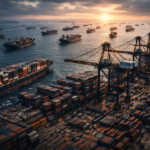
A factory in Asia, a buyer in Europe, raw materials from Africa and delivery deadlines that cannot slip. This is the reality of global trade today. Behind every successful international shipment lies a carefully planned logistics strategy. At the heart of this system is container shipping logistics, which connects manufacturers, ports, carriers and customers across continents.
International logistics solutions are no longer just about moving goods from one country to another. They are about managing time, cost, risk, compliance and visibility across multiple borders and transport modes. In this blog, we explore how modern international logistics works, why container shipping logistics plays a central role, and how businesses can build reliable global supply chains.
What Are International Logistics Solutions?
International logistics solutions refer to the complete process of planning, executing and managing the movement of goods across international borders. This includes transportation, warehousing, customs clearance, documentation, compliance, tracking and final delivery.
Unlike domestic logistics, international logistics involves multiple countries, regulations, currencies, transit points and risks. A strong solution integrates all these elements into one smooth flow.
Core Components of International Logistics
Container shipping logistics (sea, rail, road, air combinations)
Customs and regulatory compliance
Warehousing and distribution
Cargo insurance and risk management
Tracking and shipment visibility
Documentation and trade compliance
Why Container Shipping Logistics Is the Backbone of Global Trade
More than 80 percent of global trade by volume moves by sea. Containers make this possible. Container shipping logistics provides standardization, scalability and efficiency that no other system can match.
Key Advantages
Standard container sizes simplify handling across ports and terminals
Seamless transfer between ship, rail and truck
Lower cost per unit for long-distance trade
Better cargo protection and reduced handling
Easier tracking and planning
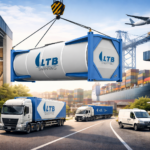
Because containers fit into global infrastructure, businesses can ship goods from inland factories to overseas markets using a single standardized system.
Modes of Transport in International Logistics
Most international logistics solutions rely on a mix of transport modes. Choosing the right combination is critical for performance and cost control.
Comparison Table: Transport Modes in Container Shipping Logistics
ModeBest Use CaseStrengthsLimitationsSea FreightIntercontinental tradeLowest cost per container, high volumeSlow transit timeRail FreightLong inland routesCost efficient, lower emissionsLimited reachTruck FreightFirst and last mileHigh flexibility, door to doorHigher cost on long routesAir FreightUrgent shipmentsFastest deliveryHighest cost
Most successful global shipments use intermodal logistics, combining sea with rail and truck.
Key Challenges in International Logistics
Even with containers and global infrastructure, international logistics remains complex.
1. Customs and Regulatory Complexity
Every country has its own import and export rules. Incorrect documentation can cause delays, fines or cargo holds. Strong logistics solutions include expert customs handling.
2. Port Congestion and Capacity Issues
Busy ports, labor shortages and vessel delays can disrupt schedules. Planning buffer time and alternate routes is critical.
3. Cost Volatility
Freight rates, fuel prices, surcharges and port fees can change quickly. Total landed cost planning is more important than headline freight rates.
4. Visibility Gaps
Without proper tracking, delays are discovered too late. Modern container shipping logistics relies on real-time visibility and proactive monitoring.
5. Risk and Security
Cargo damage, theft, weather events and geopolitical disruptions all affect international shipments. Risk planning is a core part of logistics solutions.
Building Effective International Logistics Solutions
Strong international logistics is not accidental. It is designed.
1. Route and Network Planning
Evaluate origin and destination infrastructure:
Ports and inland terminals
Rail connectivity
Road conditions
Border crossing reliability
The best route is not always the cheapest. It is the most reliable over time.
2. Mode Optimization
Use sea for long-haul international movement, rail for inland long distances, and trucks for flexibility. This balance keeps container shipping logistics efficient.
3. Partner Selection
Reliable carriers, freight forwarders and logistics providers make a major difference. Look for partners with:
Global network coverage
Strong compliance systems
Proven experience in containerized cargo
Transparent communication
4. Documentation and Compliance Control
Digitized documentation and standardized processes reduce errors. This includes:
Bills of lading
Commercial invoices
Packing lists
Customs declarations
5. Technology and Visibility
Modern logistics solutions use tracking platforms, shipment dashboards and alerts. Visibility allows teams to manage exceptions before they become problems.
Real-World Insight from Operations
In one international supply chain project involving shipments from South Asia to Europe, inconsistent routing and poor coordination caused frequent delays. By redesigning the container shipping logistics flow using a fixed sea route, scheduled rail connections and controlled trucking partners, delivery reliability improved significantly.
The key lesson was simple: international logistics works best when every handoff is planned, documented and monitored.
Sustainability and the Future of Container Shipping Logistics
Sustainability is now part of logistics decision-making. Many businesses are reducing emissions by:
Using rail instead of long-distance trucking
Improving container utilization
Reducing empty container repositioning
Optimizing routes and schedules
International logistics solutions that balance cost and environmental impact are gaining preference among global buyers.
Practical Decision Framework
Use this checklist when planning an international shipment:
What is the cargo type and container size?
What is the required delivery time?
Which transport modes are available on the route?
Are there customs or regulatory complexities?
What are the risks at each stage?
What is the total landed cost, not just freight rate?
How will the shipment be tracked and managed?
If container shipping logistics is planned with these questions in mind, disruptions can be minimized.
Conclusion
International logistics solutions are the foundation of global trade. At the center of these solutions lies container shipping logistics, enabling goods to move efficiently across oceans and borders.
Success in international logistics does not come from choosing the cheapest option. It comes from choosing the smartest combination of routes, modes, partners and controls. Businesses that invest in structured, visible and flexible logistics systems gain a real competitive advantage in global markets.
Call to Action
If your business is moving goods internationally and you want to improve your container shipping logistics, start by reviewing your routes, partners and visibility tools.
Share your biggest international logistics challenge or reach out to explore tailored solutions for your global shipments.